How we work
Survey first. Always.
A communication system is engineering, not procurement. Six steps, in this order, on every project — and the first three happen before anything is bought.
RF Survey
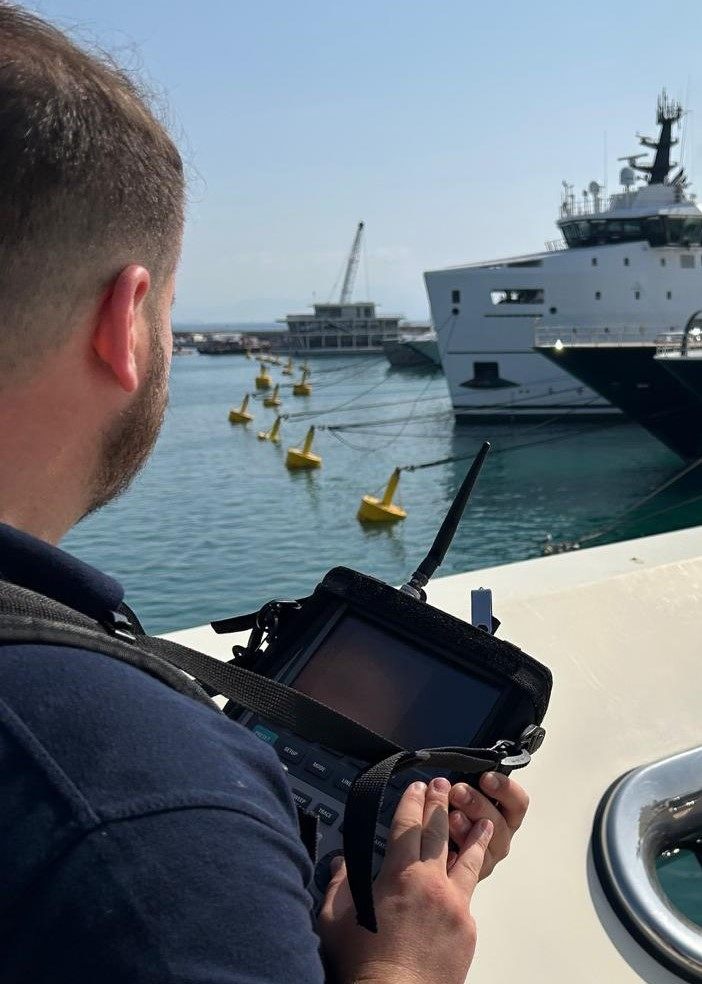
Our RF engineers carry out physical and software surveys of the vessel or building, establishing what coverage exists today and what the structure will do to the signal. Nothing is specified before this.
Heatmapping
Survey data becomes a coverage heatmap, area by area. It shows where coverage will be adequate, where it will not, and what it costs to fix — before any equipment is bought.
Bespoke System Design
The design follows the survey rather than a standard bill of materials. Because we are vendor-agnostic, the equipment is chosen for the requirement, the budget and the timeline rather than for a distribution agreement.
Integration
Full integration with the systems already onboard — alarm and monitoring, PABX and telephony, and ECDIS — so the radio becomes part of how the vessel operates rather than a parallel system nobody connects.
Professional Installation
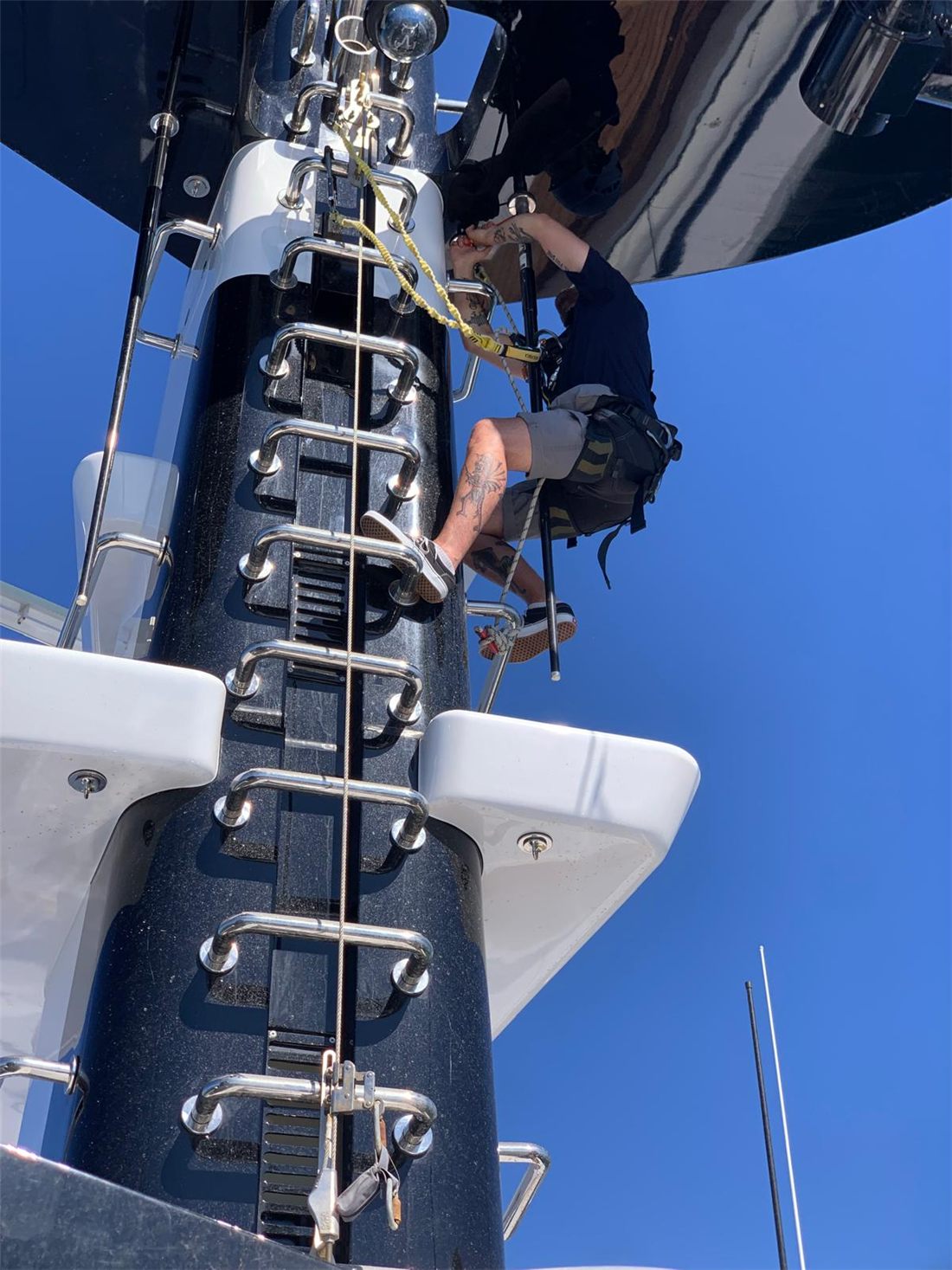
Installed and commissioned by our own engineers, with coverage verified against the areas agreed at the survey stage. The handover is measured evidence, not an assertion.
24/7 Support
Support that recognises a vessel does not keep office hours and is rarely in the same time zone twice. Spares, service and escalation are part of the system, not an afterthought.


The only DAMM Authorised System Partner in the superyacht industry
DAMM is a world leader in TETRA and DMR infrastructure. Authorised partner status means direct access to the platform, its engineering support and its roadmap — so the infrastructure underneath a system we design is one we support to its foundations rather than resell.
OLAS is also a member of TCCA, the Critical Communications Association — the international body behind the TETRA standard and the wider critical-communications ecosystem.
Both sit alongside our vendor-agnostic approach rather than against it. Impartiality about handsets and surrounding equipment is more useful, not less, when the platform underneath is one we know completely and the standard is one we help steward.
How We Work — Common Questions
Because the structure determines the system. Hull material, deck count, bulkhead layout and cable routes decide whether a passive distribution is sufficient or an active one is required, and that changes both the design and the cost. A quotation issued before the survey is a guess.
It turns survey data into a map of predicted coverage, area by area, before anything is purchased. It makes the trade-offs visible — you can see which spaces are marginal and decide what to spend on them, rather than discovering the dead zones after installation.
That we are not obliged to recommend any particular manufacturer's equipment. The recommendation follows the vessel's needs, budget and timeline. Our DAMM Authorised System Partner status gives us depth in one infrastructure platform without constraining what we specify around it.
Typically alarm and monitoring systems, PABX and telephony, and ECDIS. What is achievable depends on the systems already fitted and the interfaces they expose, which is one of the things the survey establishes.
Fault escalation, spares and service for the systems we have delivered, on the basis that vessels operate continuously and across time zones. The scope is agreed per vessel rather than sold as a single tier.